
New Blog Post
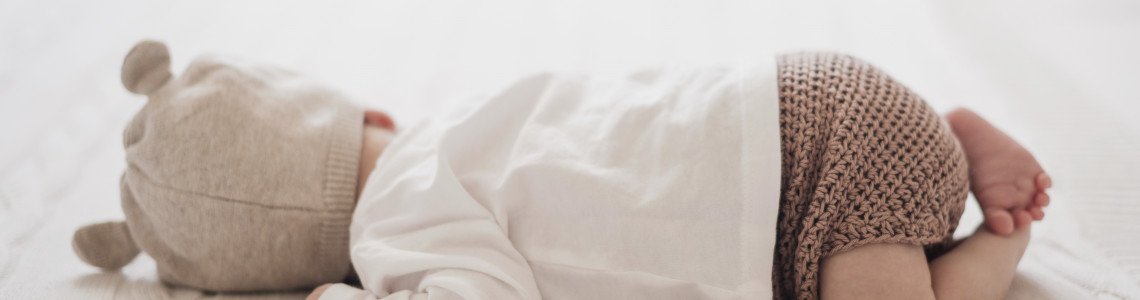
6 most important factors to keep in mind when buying baby clothes
Congratulations! You will have a baby. This baby is the most precious gift you will ever receive. You can't wait to start furnishing the future children's room, choosing clothes , baby's first clothes and a bunch of other things. When buying baby clothes , you want to be sure that your baby will be comfortable and safe in his clothes . You also want your baby to feel stylish and comfortable in every outfit you wear.
With so many a variety of styles, brands and fabrics, it can be difficult to choose baby clothes that are right for your little girl or boy. Start consulting and seeking "advice" from your parents, daughters-in-law, neighbors, friends and other mothers. At one point, you may be overwhelmed by different information and perhaps conflicting advice, and you end up confused rather than deciding what to shop for a new family member.
To make this purchase of baby clothes more enjoyable, we have listed the 6 most important factors to consider when buying baby clothes . We hope to help you make an intelligent and informed decision to create this first children's wardrobe for a little creature that will be the love of your life.

1. Cloth
Imagine that a cute little baby has joined your family. Your first reaction is to want to dress your precious girl or boy in funky, modern, bright and sometimes expensive clothes to complement the whole sweet look. However, there are times when these cute outfits cost a lot more than they deserve. Some babies start getting rashes and other skin irritations. Many times the fabric of the clothes is the culprit.
Babies, especially newborns, have very sensitive skin. So, when buying baby clothes, most parents would refuse to choose clothes made of cotton. However, there are also alternatives such as soy-based fabrics that are resistant (environmentally friendly) and silky smooth (baby-friendly) that are ideal for baby skin. So our recommendation would be to consider fabrics such as cotton (especially organic cotton), soybean aclon and bamboo. These fabrics are from nature or come from natural resources and have good properties suitable for baby clothes. Avoid bright colors, as they may contain fluorescent agents.
Children's clothing made of materials such as nylon and polyester can cause skin sensitivity and discomfort due to their inability to absorb moisture and regulate babies' body temperature, so they should be avoided.
2. Safety
When buying baby clothes, safety is essential and is sometimes overlooked by busy parents and families. Millions of baby clothes are produced every year without safety standards. Therefore, it is vital to buy baby clothes that do not cause safety problems.
Do not buy baby clothes with decorations such as zippers, buttons, flowers and sequins, because they can cause choking hazards. If the garment contains decorations, make sure they are firmly attached. Also avoid choosing clothes with ties and ribbons for the waist, because they pose a risk of suffocation.
3. Size
There is no point in buying a charming baby dress for your baby, just to find out later that it is too small. Then you will be disappointed and it will cost you an effort to exchange or return it. Make sure you buy clothes that are suitable for the baby. The right size is not only comfortable, but also allows the baby to move easily. Babies grow at an incredibly fast pace, be sure to consider the growth rate when shopping.
Most clothes have standard measurements to guide you if you are unsure of the size that will fit your baby. Keep in mind, however, that these are general guidelines and very often babies fall between sizes (for example, their height is 3-6 months and weight is 6-9 months).
If you can't decide on the size, our recommendation is to always buy the larger size to compensate for the growth. Also, make sure that baby clothes are easy to put on and take off. Between changing diapers, feeding and belching, the last thing you want is to put in the extra effort, put on and take off difficult clothes. Choose clothes that are practical.
4. Style and functionality
When buying baby clothes , you need to consider their functionality. For newborns, they would spend most of their day asleep, so definitely choose something comfortable, such as a transfer body, romper, sleeping bag, baby socks or dress. Again, you will want to choose models that are easy to put on and take off.
Also, think about the practicality of the clothes. Resist the urge to buy charming sailor clothes if your baby will benefit more from bodysuits. Similarly, don't spend too much on clothes your baby is unlikely to ever wear, such as fantastic party outfits. One or two sets for special occasions are enough. For newborns, limit the number of clothes the size of newborns, because as we mentioned before, babies grow fast.
If you decide you don't want to know your baby's gender in advance until birth, maintaining a gender-neutral palette would be ideal. Many brands have unisex collections of baby clothes to choose from, along with pink for girls and blue for boys.
Finally, choose clothes that will be easy to wash and will withstand repeated washing. Babies change clothes several times a day. Usually after a meal or when changing diapers. Avoid knitting and wool, because they have special conditions for washing, which can be quite binding.

5. Costs
When buying baby clothes , do not use the lowest price by default in the name of thrift. Never compromise quality on price. We talked about how fast babies grow and how sensitive their skin can be, buying high-quality and well-designed clothes will give you peace of mind, as well as allow you to take very beautiful photos for memories. Choose quality over quantity. There are many designer, thoughtfully made and affordable baby clothes , online and offline. We at Little Clothes offer you collections of high quality baby clothes at affordable prices that turn your baby into a sweetly dressed treasure.
6. Season
When buying baby clothes, an important factor is the season and the geographical climate in which you are. Buy seasonal clothing and think about the future. If you are shopping in January, you may want to consider choosing something suitable for spring, as you will only get 2-3 months of winter clothes . Also, think about your geographical location (especially when buying a baby gift).
If you ignore some tips, you may end up with pre- purchases of clothes that your baby will not wear. Millions of clothes are thrown away every year and most of them are unadulterated. This is a great contribution to the loss of our natural resources. Just plan ahead, choose carefully and make the most of the baby clothes you choose to buy.
Having considered all the factors above, we hope that some of the tips and reminders have been helpful in choosing the perfect outfit for this new joy in your life.
Leave a Comment