
New Blog Post
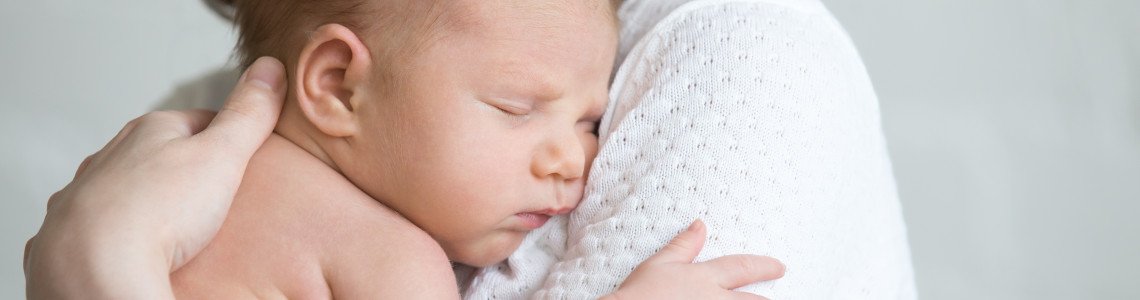
The new mother: Taking care of yourself after giving birth
Your body has just done one of the most remarkable things it will ever do: create another human being. After 9 months of waiting, you're probably excited to finally be home with your new baby. Much of your focus and energy in the coming weeks and months will be focused on the baby, but remember that you also need to take care of yourself.
Adapting to everyday life after the birth of a baby has its challenges, especially if you are a new mother . Although it is important to take care of your baby, you also need to take care of yourself.
The postpartum period begins after the birth of your baby and ends when your body has almost returned to its pre-pregnancy state. This period often lasts 6 to 8 weeks.
The postpartum period involves your going through many changes, both emotionally and physically. You also learn how to deal with all the changes needed to become a new mother. The postpartum period also includes you and your partner learning how to care for your newborn and learning how to function as a changed family unit.
You need to take good care of yourself to regain your strength. You will need a lot of rest, good nutrition and help during the first few weeks.
Rest
Every new parent soon learns that babies have watches different from adults. The typical newborn wakes up every 3 hours and needs to eat, change clothes and comfort. Especially if this is your first baby, you and your partner may be exhausted. You may not accumulate 8 hours of continuous sleep for several months. Here are ideas to help you relax more:
For the first few weeks, you can let someone else take care of all the responsibilities other than feeding the baby and taking care of yourself.
He sleeps when the baby sleeps. These may be just a few minutes of rest several times a day, but those minutes can provide you with little energy. Get plenty of rest to deal with fatigue. Your baby may wake up every two to three hours to feed. To make sure you get enough rest , sleep when your baby is asleep.
Save steps and time. Move the baby's bed close to yours to make it more comfortable to feed your baby at night.
It is good to be visited by friends and relatives, but do not feel obliged to entertain your guests. Feel free to take a nap or feed your baby and move to another room.
Go out for a few minutes every day. You can start walking and exercising after giving birth as recommended by your doctor.
Nutrition
Your body has undergone many changes during pregnancy and childbirth . You need time to recover . In addition to rest, you need to eat healthy.
The weight gained during pregnancy helps to build stores for recovery and breastfeeding. After birth, you need to eat a healthy and balanced diet so that you can be active and take care of your baby.
Most breastfeeding experts recommend eating when you are hungry. But many mothers may be so tired or busy that they forget to eat. That's why it's important to plan simple, healthy meals that include a selection of all recommended food groups.
Divide your food into 5 categories of groups:
Cereals - Foods made from wheat, rice, oats, corn flour, barley or other grains are cereals. Examples include whole wheat, brown rice and oatmeal.
Vegetables. Diversify your menu with vegetables. Choose from a variety of vegetables, including dark green, red and orange vegetables, legumes (peas and beans) and starchy vegetables.
Fruits . Each fruit or 100% fruit juice is counted as part of the fruit group. The fruit can be fresh, canned, frozen or dried and can be whole, sliced or pureed.
Dairy . Dairy products and many foods made from milk are considered part of this food group. Focus on low-fat or low-fat products, as well as those high in calcium.
Protein . Eat enough protein, choosing low-fat or lean meat and poultry. You can focus on more fish, nuts, seeds, peas and beans.
Oils are not a food group, but some fats, such as walnut oil, have important nutrients. Include them in your diet. Avoid animal fats.
You need to include exercise and daily physical activity in your diet plan.
Weight loss after pregnancy
Most mothers want to lose weight after pregnancy , but extreme diets and rapid weight loss can harm you and your baby if you are breastfeeding. It can take several months to lose the weight you have gained during pregnancy . You can achieve this goal by avoiding high-fat snacks. Focus on a diet with lots of fresh vegetables and fruits, balanced in protein and carbohydrates. Exercise also helps burn calories and tone muscles and limbs.
Along with a balanced diet , you need to drink more fluids if you are breastfeeding. You may find that you often get thirsty while breastfeeding your baby. Always make sure you have a bottle of water and something to eat near your bed or breastfeeding chair.
Help for new parents
New as well as experienced parents soon realize that babies need a lot of attention. Meeting the constant needs of the newborn involves time and energy. It often takes you away from other responsibilities at home.
You and your partner will probably manage on their own, but if someone else helps with household chores, it usually makes it easier to adjust to the new baby. You and your husband can focus on your needs and your baby's needs, not on laundry or dirty dishes. Helpers can be family members, friends, or hire a woman to help you. Whoever you decide to ask for help, it is important to clarify all the things you expect them to do for you. Communication is important to prevent hurt feelings or misunderstandings when emotions are fragile during the first few weeks. Have your assistant do the housework, such as cooking, cleaning, laundry, and grocery shopping. This will help you take care of yourself and prevent you from limiting time with your baby.
Constipation after pregnancy
Eat foods high in fiber to stimulate bowel function and drink plenty of water. Ask your doctor about safe medicines. Fiber can also relieve hemorrhoids, as well as over-the-counter creams or sitting in a sedentary bath. Drinking water helps relieve problems with urination after childbirth. If you have incontinence, Kegel exercises can strengthen your pelvic floor muscles.
When to see a doctor after giving birth?
When recovering from childbirth, it is best to be careful if you think something is wrong with you or your baby. You are expected to experience some discomfort after giving birth, but if you feel unwell, do not hesitate to call your doctor.
If you have any of these postpartum symptoms, call your doctor.
- Heavy vaginal bleeding that soaks more than one bandage per hour or vaginal bleeding that increases every day instead of decreasing.
- Instead of normal bleeding, notice larger clots.
- Chills and / or fever over 38 degrees.
- Fainting or dizziness.
- Changes in your vision or severe headache (permanent).
- Painful or difficult urination.
- Vaginal discharge with a strong odor.
- Palpitations, chest pain or difficulty breathing.
- Vomiting.
- The incision by cesarean section or episiotomy is red, swollen, or pus-filled.
- Abdominal pain (lower abdomen) that gets worse.
- Inflamed breasts that are red or hot to the touch.
- Leg pain with redness or swelling.
- Increased swelling.
Leave a Comment