
Childhood obesity - a problem with consequences - part 1
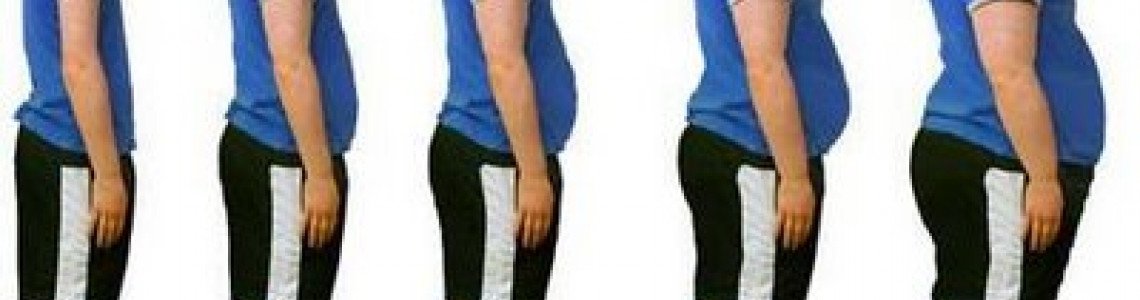
What does childhood obesity mean?

Childhood obesity is a problem of significant social significance. It is a phenomenon that is spreading rapidly. The definition of childhood overweight is different from the definition of adult obesity. The ideal weight is calculated on the basis of: body mass index = weight in kilograms divided by meters squared /. Childhood obesity is calculated on the basis of percentage tables, graphs that combine data on the weight and height of children, and are divided by gender and age. Growth is normal if it is about 50 percent. The higher the average, the higher the risk of obesity.
The main risk factors for childhood obesity
Obesity is a process caused by many factors and is the result of various factors that interact: poor diet , lack of any sports activity, genetic factors inherited from family members, hormonal disorders, kidney dysfunction.
Among the most common problems following obesity are respiratory problems, joint pain caused by physical exertion, digestive disorders, psychological problems that can lead to isolation.
Childhood obesity is in most cases followed by overweight in adulthood. In addition, as a result of being overweight, the child may subsequently develop pathologies of a cardiac nature (arterial hypertension, coronary artery disease), musculoskeletal disorders, diabetes, hypercholesterolemia, etc. Obesity from obesity can change the lifestyle of the child and his social relationships.

Prevention of childhood obesity
If the statistics deepen, it will turn out that many people have diseases caused by overweight (diabetes, cardiovascular disease, tumors and others). The treatment consumes a lot of money, which is one of the reasons for imposing a concept for obesity prevention , by:
- Correcting bad habits from an early age.
- It is very important to teach children a culture of healthy living by directing their attention to the right choice of food, sports and exercise.
- To correct with great tact eating habits, including harmful foods, replacing them with useful products for weight loss - so we will raise healthy children .
- When observing the initial stage of obesity , agree on a diet for safe weight loss with a nutritionist.
Causes of childhood obesity
Improper nutrition
 If it is true that insufficient food can lead to a deficiency of protein, calcium, iron, vitamins and other substances essential for growth, then the intake of high-calorie foods leads to weight gain . Overeating in the first two years of life, in addition to increasing the volume of fat cells (hypertrophy), increases their number (hyperplasia), which in later stages as adults, is a prerequisite for obesity , and then difficult to regulate, because despite that it is possible to reduce the size of the cells, it is not possible to reduce their number. That is why it is important to intervene while the child is growing in order to guarantee better and lasting health results.
Sedentary lifestyle
To the wrong and unbalanced diet should be added as a risk factor reduced physical activity - the wrong lifestyle, which is increasingly common.
Young children are increasingly accompanied by their parents by car to school or use the elevator on one floor, spend hours in front of the computer or TV, go out less and less to play sports - all examples of bad habits .
Trends that contribute to childhood obesity have been identified by the World Health Organization:
- Increased use of cars;
- Reduction of physical movement in free time;
- The time in front of electronic devices increases;
- The amount of food supplements and energy drinks is increasing;
- The number of meals during the day increases;
- The use of carbonated soft drinks as a substitute for water is increasing.
 Physical mobility is essential for a growing child because, in addition to maintaining a normal weight, it distributes the proportions between muscle and fat. To avoid obesity , it is necessary to introduce a threshold level of exercise - about 80 minutes of moderate activity or 35 minutes of intense sports a day. This burns fat in muscle mass and contributes to weight loss . A long walk of the child , or moderate cycling daily helps to regulate weight .
The family factor
the family also plays an important role. Overweight may be due to hereditary factors , among other household causes . Scientific findings from 2000 show that about 25 percent of children at an early and later age are burdened by hereditary obesity from one parent, and 34 percent inherited it from both parents. The example in the family is fundamental, we can not talk about effective nutritional education if parents are not the first to start following a balanced diet . With regard to hereditary obesity , genes that play a role in fat cell production have been identified and research is ongoing.
Get acquainted with the tips and diet for the proper upbringing of your child in the continuation of our article here !
Leave a Comment